

Sporting icon Serena Williams joined Reckitt and Acumen America on stage at Cannes Lions 2025 to launch a global initiative backing women-led health and hygiene entrepreneurs – with a focus on access to health, hygiene and clean water.
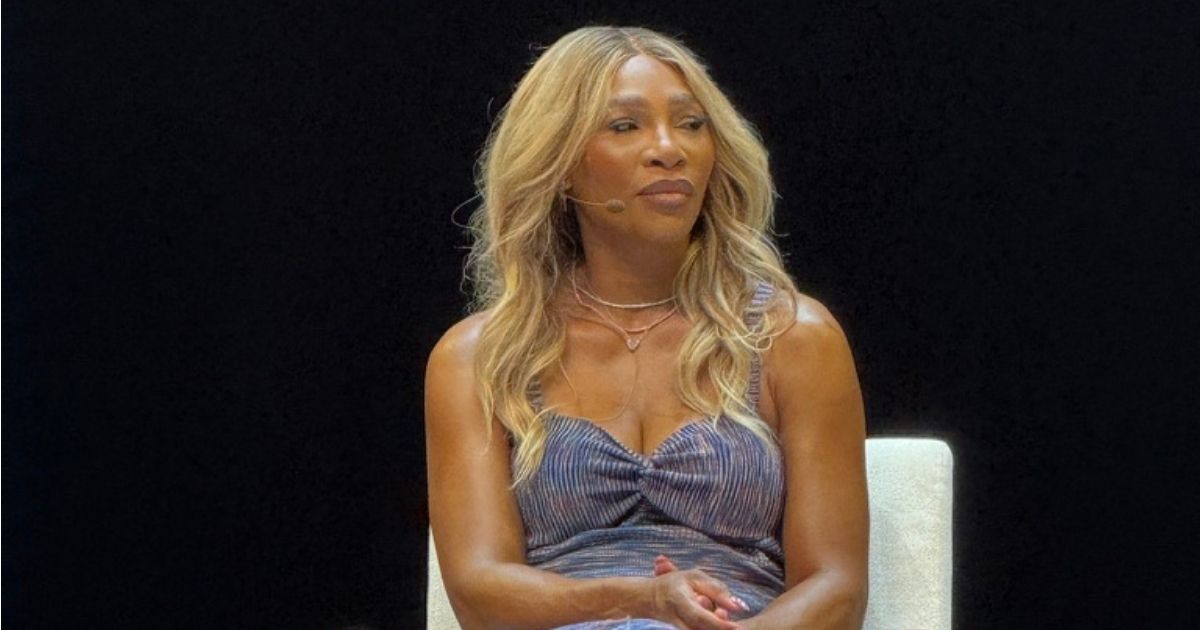
The 23-time Grand Slam champion appeared on stage at the Lumière Theatre in Cannes’ Palais des Festivals for “Impact Innovators: Building a Healthier World”, a Cannes Lions session that brought together sport, business, investment and social impact.
Alongside Sheila Redzepi, Reckitt’s Chief Communications and Corporate Affairs Officer, and Catherine Casey Nanda, Managing Partner of Acumen America, Williams helped announce Reckitt Catalyst, a global initiative designed to support women-led and under-represented entrepreneurs working on health and hygiene solutions.
Serena Williams: Reckitt’s first Entrepreneur-in-Residence
Moderated by CNBC anchor Tania Bryer OBE, the session was less about celebrity endorsement than about influence being put to work. Williams, now as much associated with business and investing as with tennis, was announced as Reckitt’s first Entrepreneur-in-Residence, a role that will see her support and mentor founders as they attempt to scale ideas with real-world impact.
The premise was stark. Around the world, millions still lack reliable access to basic care, safe hygiene and clean water. The solutions, the panel argued, often already exist. What is missing is the funding, mentorship, visibility and infrastructure needed to help local entrepreneurs take those solutions further.
For Williams, the message was clear: talent alone is not enough. Whether in sport or business, success depends on support systems, resilience and belief. The same applies to entrepreneurs developing life-changing products in communities where access to health and hygiene remains fragile.
Reckitt Catalyst is a five-year commitment of up to £10 million, created to support up to 200 health and hygiene ventures by 2030. The ambition is to reach five million people worldwide with solutions that improve access to healthcare, hygiene, sanitation and clean water.
The initiative builds on Reckitt’s existing social entrepreneurship work, which has already supported more than 60 entrepreneurs across 13 countries. Among the examples highlighted was Tayaba, a Pakistan-based organisation developing solutions for clean water access, including solar-powered water facilities, water rollers and an H2O Air machine that converts humidity into drinking water.
It was a reminder that innovation does not always look like a glossy tech launch. Sometimes it looks like a practical, locally designed product that allows a family to access clean water, a community to improve sanitation, or a patient to receive basic healthcare more easily.
A key theme of the session was the persistent funding gap facing women entrepreneurs.
Women-led start-ups, Reckitt noted, deliver strong returns and create significant employment, yet still receive only a small fraction of global venture capital funding. In the health sector, this gap is particularly striking, given that women make up a large proportion of the frontline healthcare workforce.
The argument made on stage was not simply that investing in women is fair. It was that it is strategically smart. Women entrepreneurs often bring direct insight into the needs of families and communities, particularly in areas such as hygiene, childcare, water access and health services. Yet those same founders are frequently overlooked by traditional investors.
For Catherine Casey Nanda and Acumen America, the partnership is about widening access to capital and support for founders who are close to the problems they are trying to solve. Reckitt Catalyst will work with partners including Acumen America, Yunus Social Innovation and the Health Innovation Exchange to identify and support entrepreneurs across multiple markets.
Sheila Redzepi positioned the programme as a move beyond traditional corporate social responsibility. Rather than simply funding projects from a distance, Reckitt is offering capital, mentorship, brand-building expertise and access to networks. In other words, the tools that allow an idea to become a viable, scalable business.
For Cannes Lions, a festival often preoccupied with the power of storytelling, the session also offered a different kind of marketing lesson. Purpose, when done seriously, is not a slogan. It requires structure, investment and long-term commitment.
Williams’ presence gave the launch undeniable star power, but her role also underlined a broader shift in how global icons are using their platforms. No longer simply ambassadors, figures like Williams are increasingly operating as investors, advocates and conveners.
Her message to the audience was both practical and personal: each person has a toolbox of skills, influence and experience. The question is how those tools can be used to contribute to a cleaner, healthier world.
At a festival built around creativity, Reckitt Catalyst made the case that some of the most important creative ideas are not only found in advertising agencies or brand campaigns, but in the hands of entrepreneurs working quietly on the front lines of global health.
And if the Cannes Lions stage is designed to amplify ideas, this was one with a clear call to action: invest in women, back practical innovation, and help the people closest to the problem lead the change.

