

France’s growing wave of school protests has reached the French Riviera, with students taking to the streets in Nice and Antibes this week.
In Nice, demonstrations extended onto the Promenade des Anglais on Wednesday 30 September, with clashes reported between some protesters and police near Magnan.
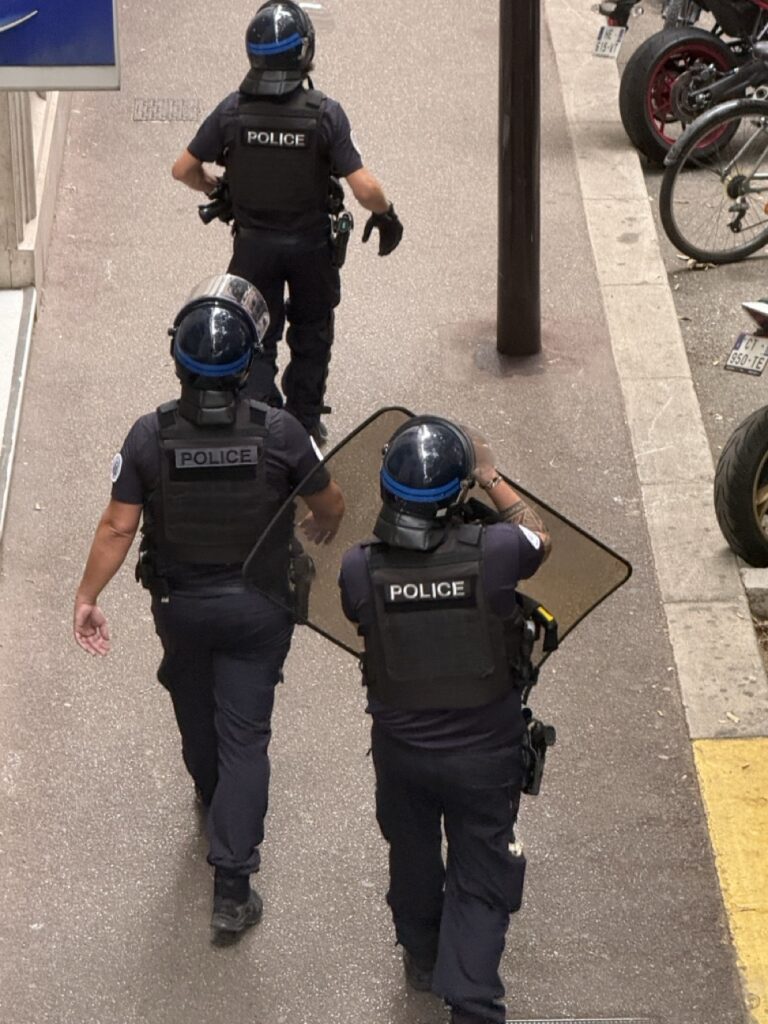
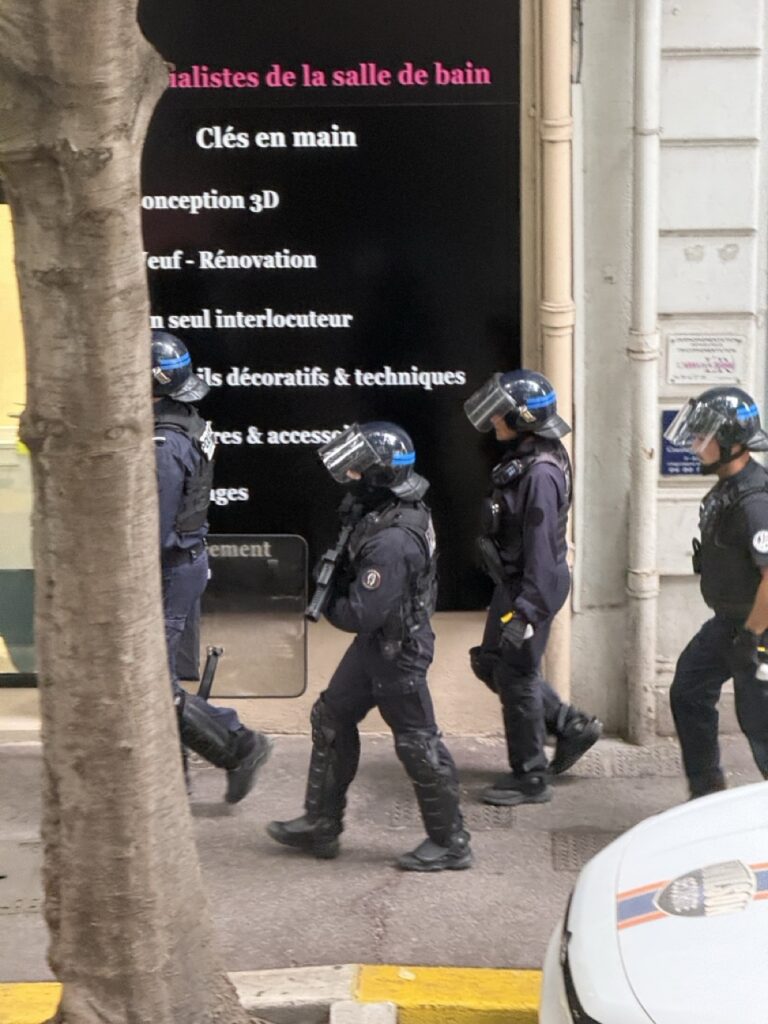
On Thursday 1 October, students were running through the streets of central Antibes. A few were throwing rubbish bags and chairs into the road.
Why are French school students protesting?
The main concerns are familiar to many families: missing teachers, overcrowded classrooms, deteriorating school buildings (which are not set up to cope with the heat) and exhausting timetables. Students are also raising concerns about unequal learning conditions and the pressure surrounding Parcoursup, France’s university admissions platform.
The movement began on 21 September at Lycée Saint-Exupéry in Créteil, near Paris, where several teaching posts were unfilled. Calls for action then spread through student networks and social media, reaching schools across the country.
Which students are protesting?
The movement is principally led by lycée students, generally aged around 15 to 18 and in their final three years of secondary education.
The Union Syndicale Lycéenne, a high-school students’ union, called for nationwide action on 29 September, coinciding with a broader public-sector strike. Participation varies between schools, with demonstrations, attempted blockades and some full closures. Most protests have been peaceful, although violence has occurred at some locations. Today in Antibes, a few were running with metal sticks, and some were throwing items like rubbish bins and chairs into the road.
How has the government responded?
The government has acknowledged difficulties in high schools while condemning violence and disruption. President Emmanuel Macron called for calm on Wednesday, recognised young people’s right to raise concerns and said schools should remain open. He also said any misconduct by police should be investigated.
Locally, the Alpes-Maritimes prefect announced additional police support for Thursday, alongside restrictions on carrying fireworks and dangerous materials. Parents were urged to remind their children to stay away from those committing violence. A few firecrackers did go off during the Antibes protest.
Behind the headlines, the students’ central request is straightforward: better conditions in which to learn.

